This is a subtitle for your new post
There is nothing quite like the feeling of packing the car and hitting the open road with a playlist ready and the horizon ahead of you. We love a good road trip just as much as anyone else in town. However we also see the other side of that dream when things go wrong on the shoulder of a busy highway. A long distance drive puts a unique kind of stress on your vehicle that daily commuting simply does not match. When you are driving for six, eight, or more hours straight in varying temperatures and elevations your car has to work much harder to keep everything balanced.
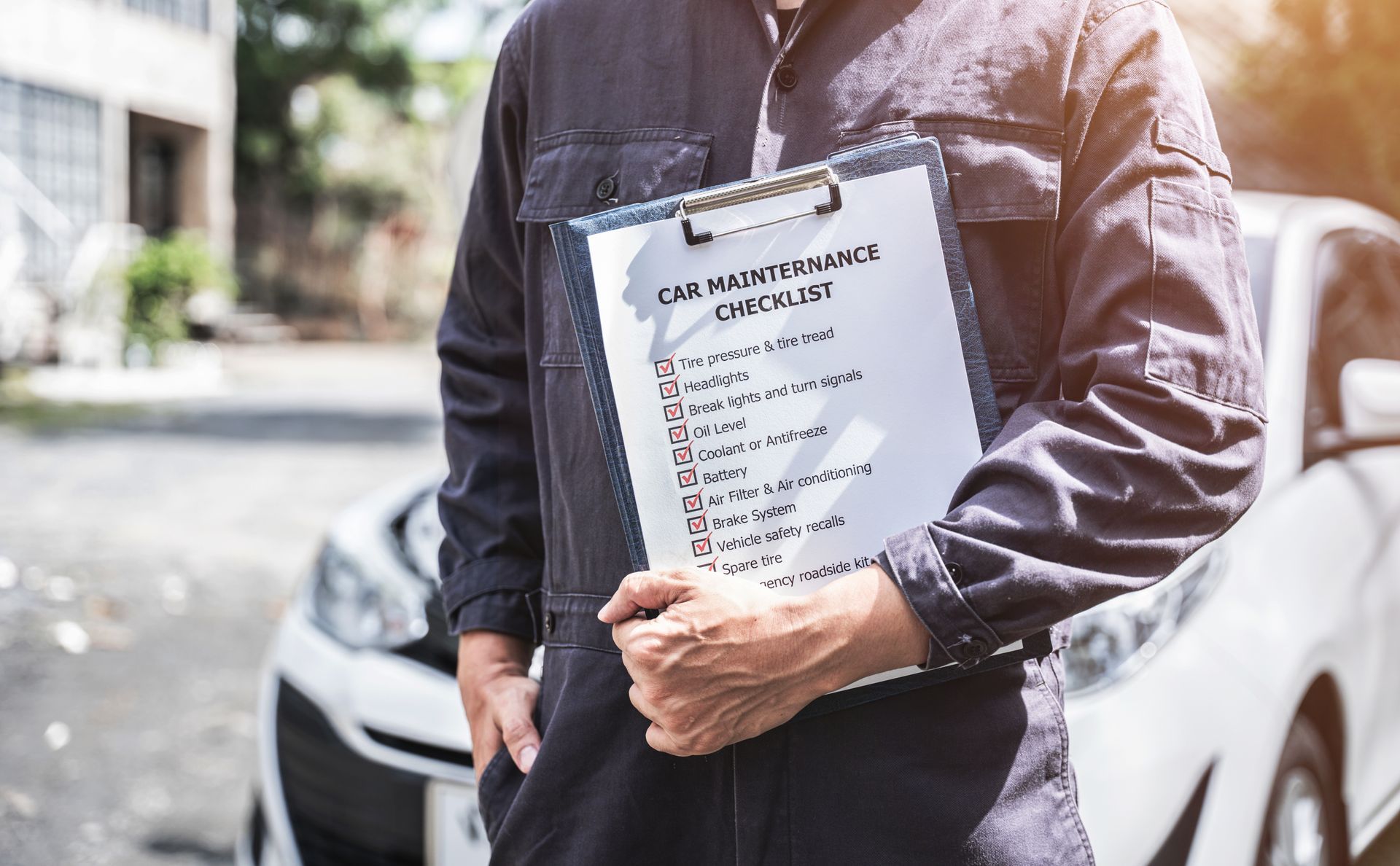
That is why we always recommend a thorough tech check before you set your GPS for somewhere far away. Taking an hour to look over the vitals of your car can be the difference between a memory you cherish and an expensive tow truck bill in a state where you do not know anyone. We want to walk you through the most important areas to focus on so you can drive with total peace of mind.
The Life Blood of Your Vehicle
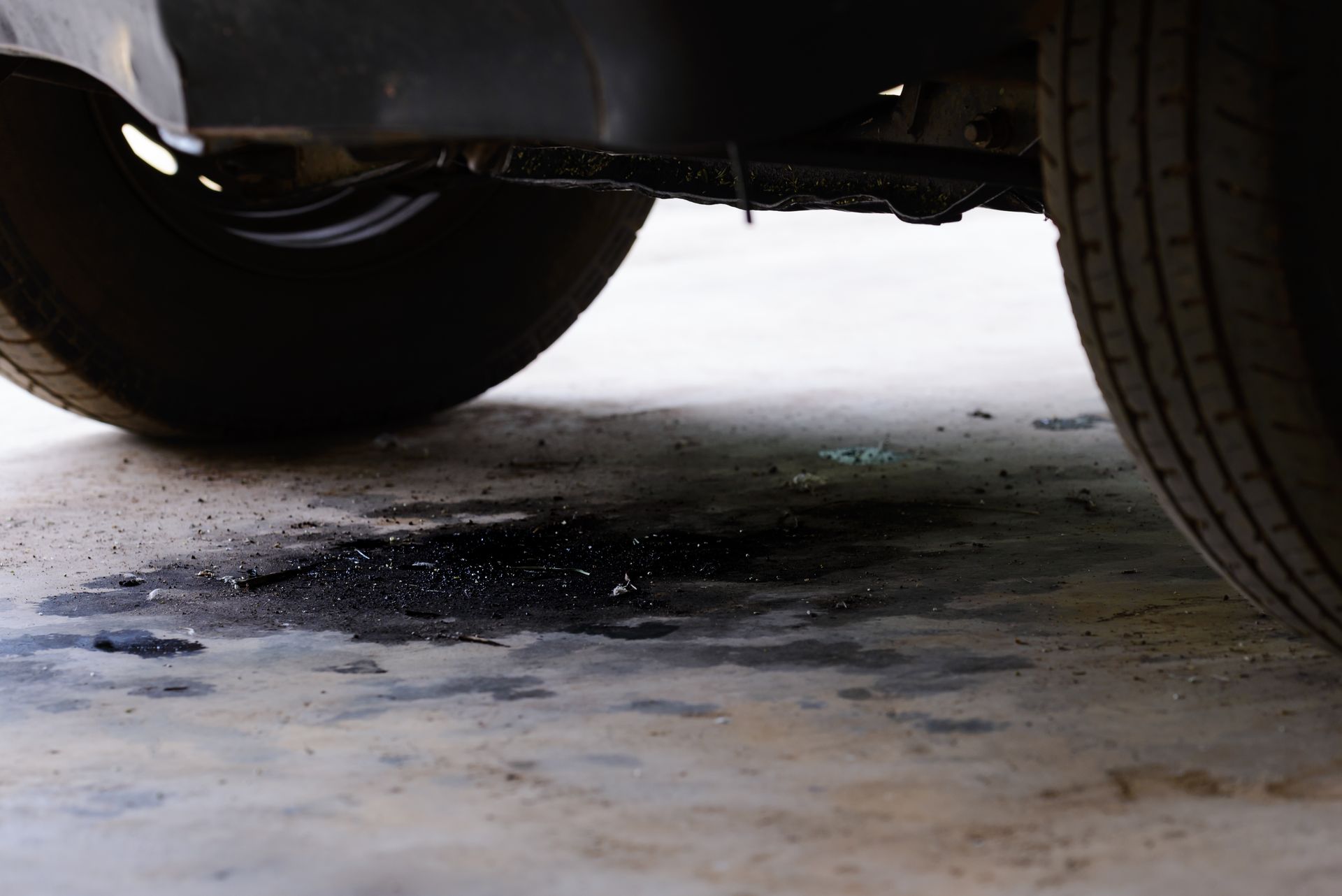
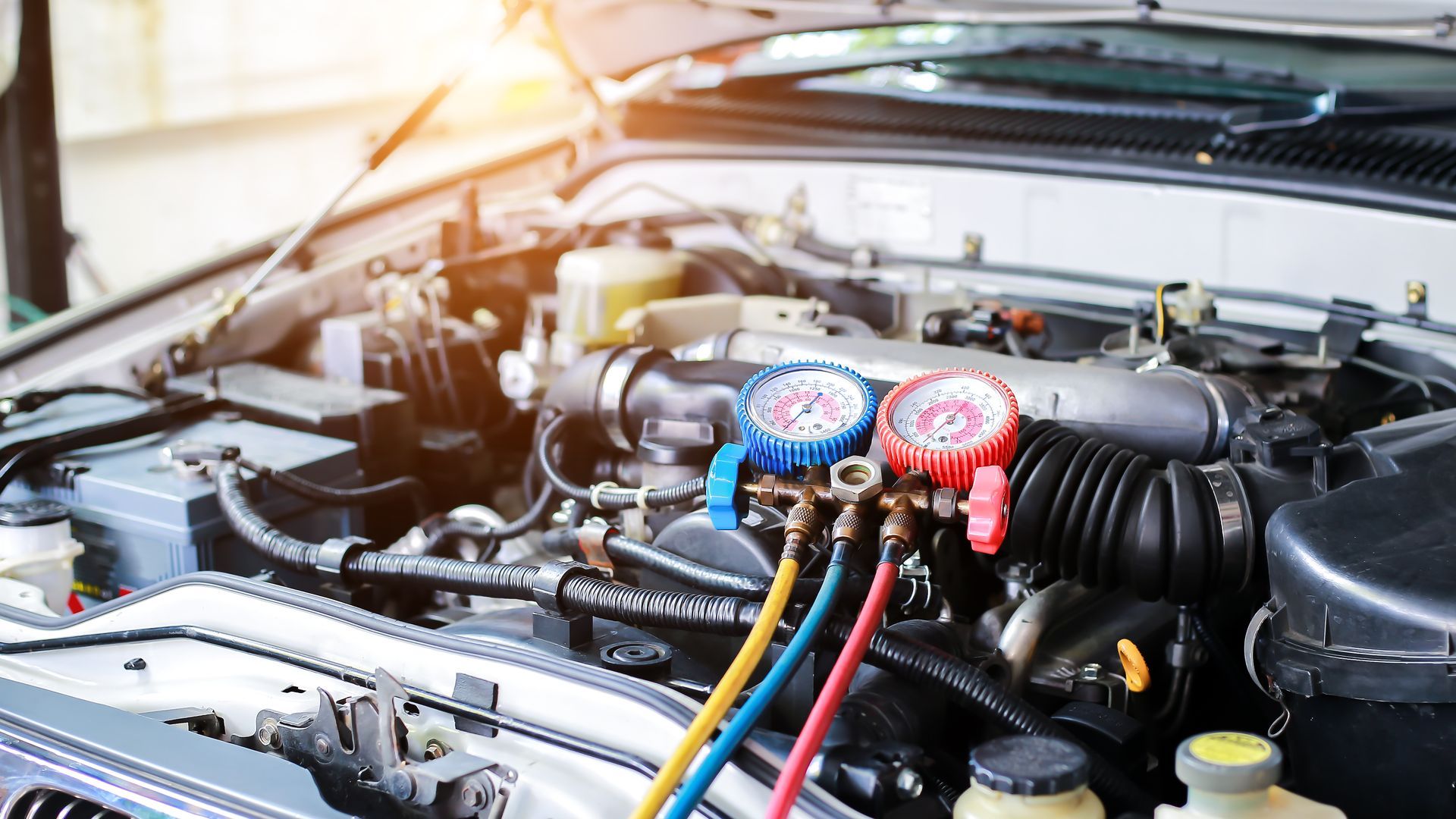
The first thing we always check is the fluid levels. Think of your car fluids like the hydration and vitamins you need to stay active. Under the high heat of highway speeds your engine oil and coolant are working overtime. If your oil is old it loses its ability to lubricate effectively which can lead to overheating. Coolant is equally vital because a small leak that goes unnoticed during a ten minute drive to the grocery store can become a catastrophic failure after two hours at sixty miles per hour. We also look at transmission fluid and brake fluid to make sure they are clean and filled to the proper levels.
Tires Are Your Only Contact with the Road
It is easy to take tires for granted but they are doing a massive amount of work on a road trip. When you load up the trunk with heavy suitcases and fill the seats with family members you are changing the weight distribution of the vehicle. This extra weight puts more pressure on the rubber. Before you head out you should check for a few specific things.
- Verify the air pressure in all four tires plus the spare tire while they are cold.
- Look for uneven wear patterns that might suggest your alignment is off.
- Check the tread depth to ensure you can handle a sudden summer rainstorm safely.
- Inspect the sidewalls for any small cracks or bulges that could lead to a blowout.
Battery Health and Electrical Systems
Modern cars are essentially computers on wheels and they rely heavily on a strong battery. Heat is actually tougher on batteries than cold weather is. If your battery is more than three years old it might be struggling more than you realize. A road trip involves using the air conditioning on full blast while charging multiple phones and perhaps running a portable fridge or a DVD player. This creates a high electrical load. We can test the cranking power of your battery to make sure it will not leave you stranded at a rest stop in the middle of the night.
Pro Tip: Visibility Matters: Do not forget to check your wiper blades and washer fluid. Visibility is often the most underrated part of road safety. A sudden bug swarm or a dusty road can make it nearly impossible to see if your wipers are streaking or your fluid reservoir is empty.
Brakes and Suspension Performance
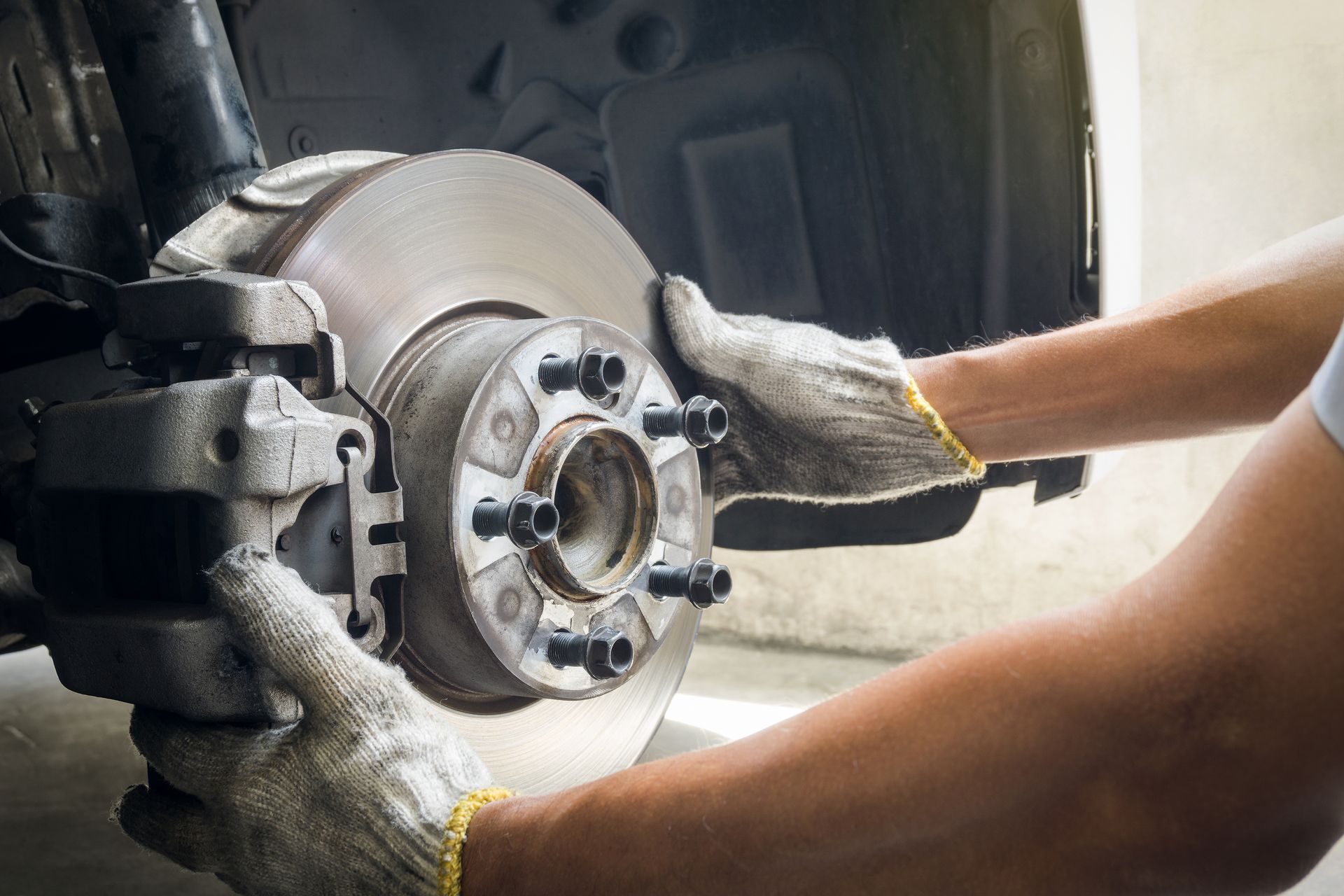
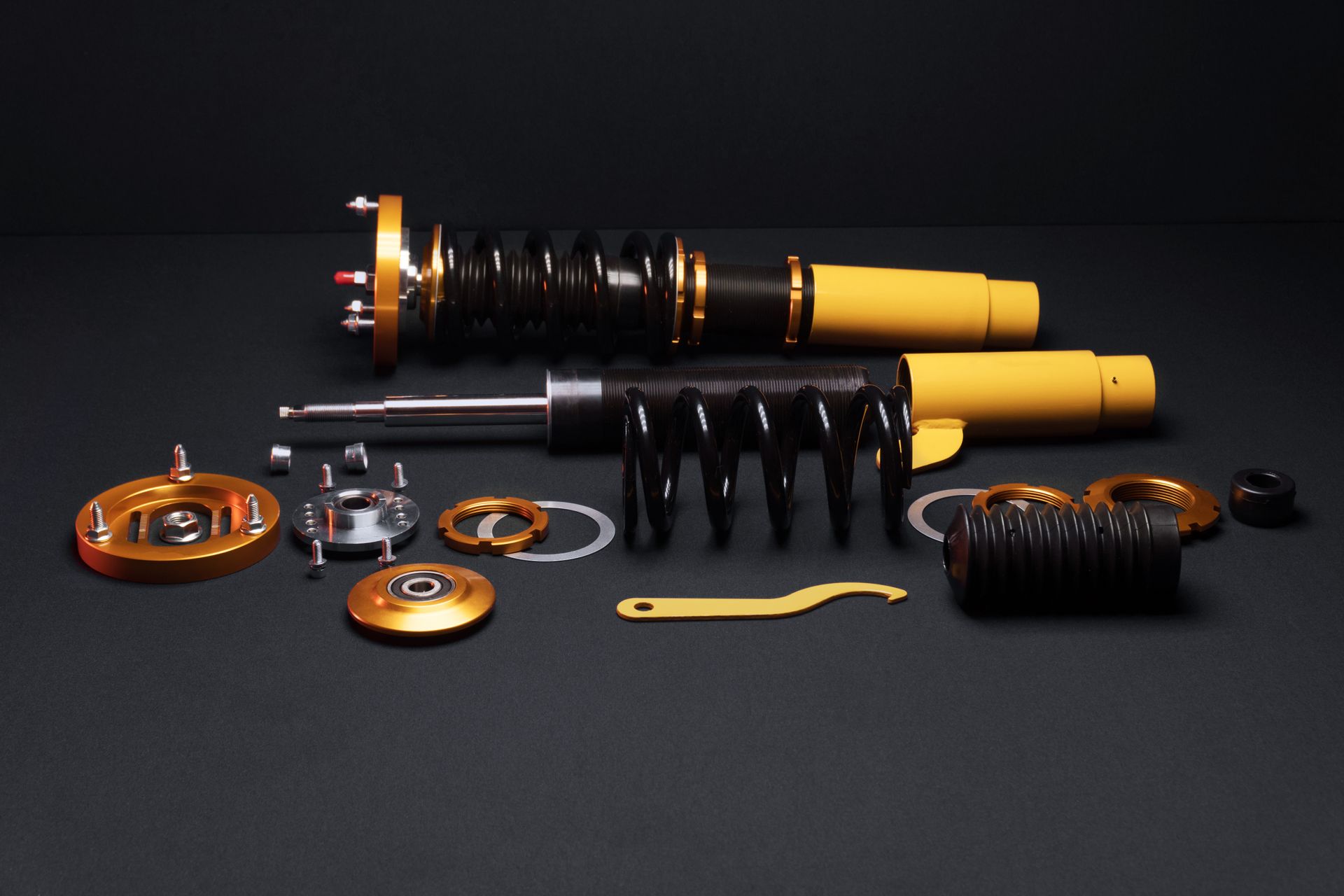
When your car is fully loaded it takes longer to stop. This means your brakes need to be in peak condition. We look for thin pads or warped rotors that might cause vibrations when you slow down from highway speeds. Additionally the suspension system keeps your ride smooth and ensures your tires stay in contact with the road. If your shocks or struts are worn out you will feel every bump and the car might feel floaty or difficult to control during lane changes. A quick inspection of these mechanical components ensures your car handles predictably even when the road gets twisty.
We also suggest taking a moment to look at your lights. Have a friend or family member stand outside while you test the turn signals and brake lights and high beams. Being visible to other drivers is just as important as being able to see the road yourself. It is a simple check that takes two minutes but keeps you legal and safe across state lines.
Belts and Hoses Inspection
Under the hood there are several rubber belts and hoses that keep everything timed and circulating correctly. Over time heat causes these rubber parts to become brittle or soft. A snapped serpentine belt will stop your car instantly because it powers the alternator and the water pump and the power steering. We look for small cracks or glazing on the belts and feel the hoses for any soft spots that might indicate an internal failure. Replacing a twenty dollar hose today is much better than dealing with an overheated engine tomorrow.
Let Lains Auto Services in College Park, MD Get You Ready for the Road
Your vacation should be about the destination and the journey not about worrying if your car will make it there. Our team is ready to provide a comprehensive Road Trip Tech Check to ensure every system is primed for your adventure. Stop by our shop or give us a call today to schedule an appointment.
We will handle the dirty work so you can focus on the fun. Safe travels from all of us here at
Lains Auto Services in College Park, MD.