This is a subtitle for your new post
A maintenance schedule can feel like a suggestion you can bend when life gets busy. The truth is, it is more of a roadmap that helps you avoid the expensive detours that show up later. When people ask how it saves money, the answer is rarely one thing.
The savings usually come from a bunch of small decisions that keep problems from piling up.
What A Maintenance Schedule Really Represents
Your schedule is built around what the engine, transmission, cooling system, brakes, and fluids need to stay within a safe wear range. It is not just about mileage, either. Time matters because fluids absorb moisture, additives break down, and rubber parts age even if you do not drive much.
It also reflects how the vehicle was designed to operate under average conditions. If you do lots of short trips, idle in traffic, tow, or drive in extreme heat or cold, your car is often working harder than average. In those cases, the schedule is a helpful baseline, and sometimes it needs to be tightened rather than stretched.
Small Services Prevent Big Repairs
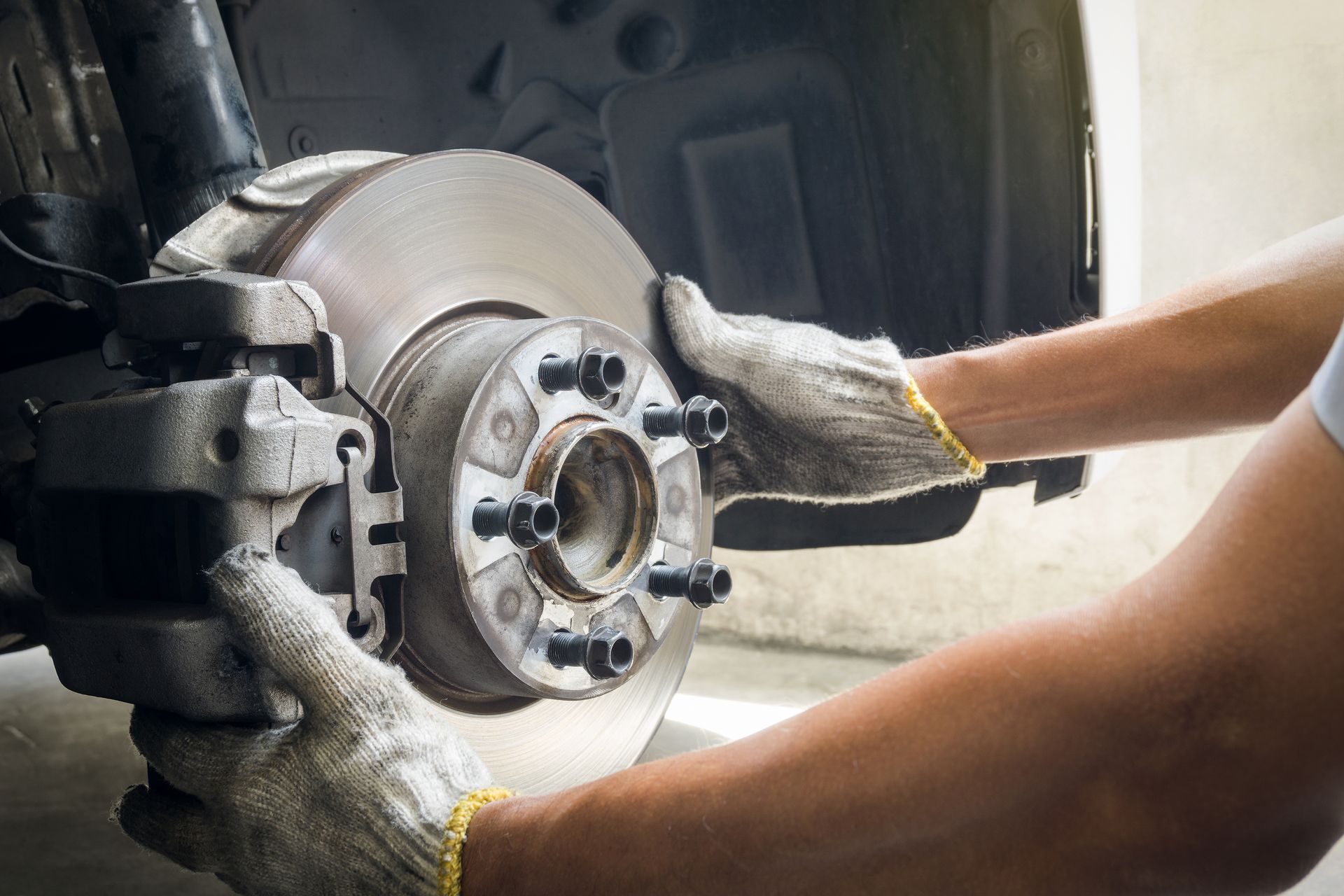
A lot of expensive repairs start as simple maintenance that got delayed. Oil changes, air filters, coolant service, and brake fluid are not exciting, but they protect parts that cost real money when they wear out early. When those items get pushed too far, the car may still run fine, which makes it easy to keep pushing.
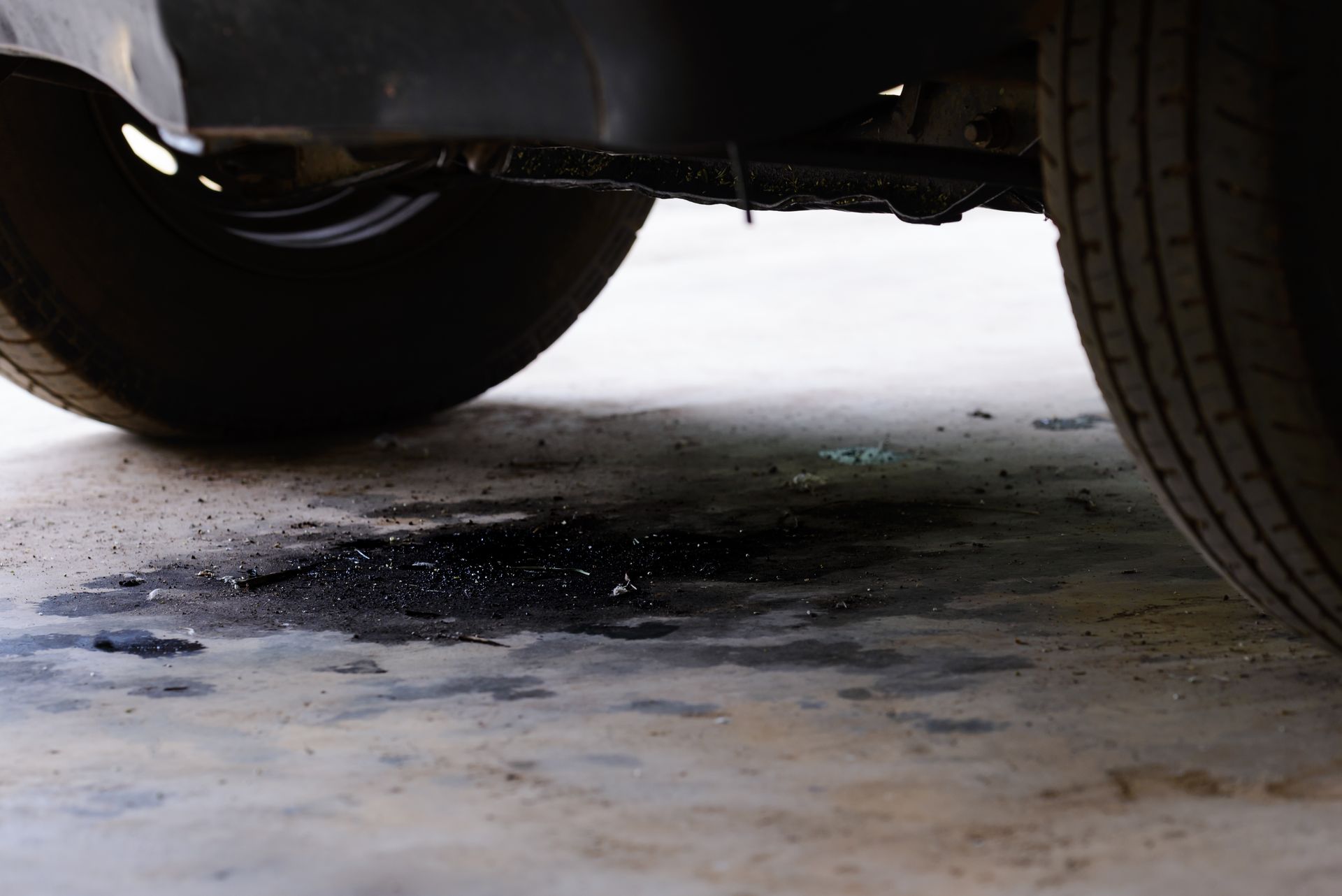
Sticking to regular maintenance reduces the odds of turning a minor wear issue into a major failure. It also helps you catch slow leaks or gradual consumption before the oil level or coolant level drops into risky territory. We see this most with vehicles that run well right up until they suddenly do not.
Timing Matters More Than Mileage Alone
Many schedules list items by mileage, but time-based intervals are just as real. Brake fluid can absorb moisture over time, and that can change how the system behaves under heat. Coolant can lose its corrosion protection, and that can stress radiators, heater cores, and water pump seals.
Mileage also does not tell the full story of how those miles happened. Highway commuting is usually easier on the engine and brakes than constant stop-and-go. If your driving is mostly short trips, the schedule may need earlier oil service and more frequent checks because the engine spends more time warming up and less time burning off moisture.
Hidden Costs Of Skipping Simple Items
Skipping maintenance does not always cause an immediate breakdown, but it often causes slow, expensive side effects. Fuel economy can slip, parts can wear unevenly, and small leaks can grow into bigger ones because seals and gaskets remain stressed longer. The costs show up as repairs you did not plan for, or as extra wear that shortens the life of the car.
Here are a few common money drains that start with “I’ll do it later” maintenance decisions:
- A clogged air filter is contributing to poor fuel economy and higher throttle effort
- Old coolant leading to corrosion and early water pump or radiator issues
- Worn spark plugs are stressing ignition coils and triggering misfires
- Dirty transmission fluid is contributing to delayed shifts and extra heat
None of these is guaranteed to happen on every car, but they are the types of patterns technicians look for when a vehicle starts getting unpredictable. The longer the service gets delayed, the less control you have over how expensive the fix becomes.
Planning Keeps Ownership Predictable
Following the schedule spreads costs out in smaller, planned chunks instead of surprise spikes. Even if you spend a bit more on maintenance in a given year, it often costs less than one major repair. It also gives you time to plan, because you can decide what is due soon instead of reacting to a warning light.
There is also a resale angle that people forget. Consistent service records can make a car easier to sell and easier to price confidently. Buyers tend to pay more for a vehicle that has proof of care, and you are less likely to take a haircut because of unknown maintenance gaps.
How To Use The Schedule Without Stress
Think of the schedule as a checklist you manage, not a perfect rulebook you memorize. Keep track of what was done, when it was done, and what is coming up next. If you are unsure whether your driving is “severe,” assume it probably is if you deal with heavy traffic, short trips, or lots of stop-and-go.
A quick inspection during routine visits helps you prioritize what matters now versus what can wait a bit. Our technicians can also point out where a schedule is conservative and where it is not, based on what we are actually seeing on your vehicle. The goal is a plan you can follow without feeling like the car is constantly asking for something.
Get Maintenance Schedule Help In College Park, MD, With Lains Auto Services
If you want a practical plan that fits your car and your driving, Lains Auto Services can review what is due, what can wait, and what will save you the most trouble down the road.
Book a time that works, and let’s get your schedule organized in a way that’s easy to keep up with.