Your home A/C gets to stay in one place. It sits outside or in a utility area, runs through fixed ductwork, and does not have to deal with potholes, engine heat, road debris, or vibration every time it turns on.
Your car’s A/C has a rougher life.
Both systems move heat and cool the air, but a vehicle A/C system works in a much harsher environment. It has to cool a small cabin quickly while the parts under the hood handle heat, pressure, vibration, moisture, and daily driving conditions.
Your Car A/C Lives Near the Engine Heat
A home A/C system deals with outdoor heat. A car A/C system deals with outdoor heat plus engine heat, radiator heat, hot pavement, and stop-and-go traffic.
The compressor, condenser, hoses, seals, and lines all work near parts that get extremely hot. When the vehicle sits in traffic, the under-hood temperature rises, and the A/C has to keep working without much natural airflow.
That extra heat can stress rubber seals, hoses, electrical parts, refrigerant pressure, and the compressor. A weak part may still work on a mild day, then struggle when summer temperatures climb.
Vehicle A/C Parts Deal With Constant Movement
A home A/C unit is bolted in place. A car A/C system shakes, flexes, and moves every time you drive. Hoses move with the engine. Fittings deal with vibration. Seals expand and contract. The compressor runs while the vehicle is moving over bumps, turns, and rough roads.
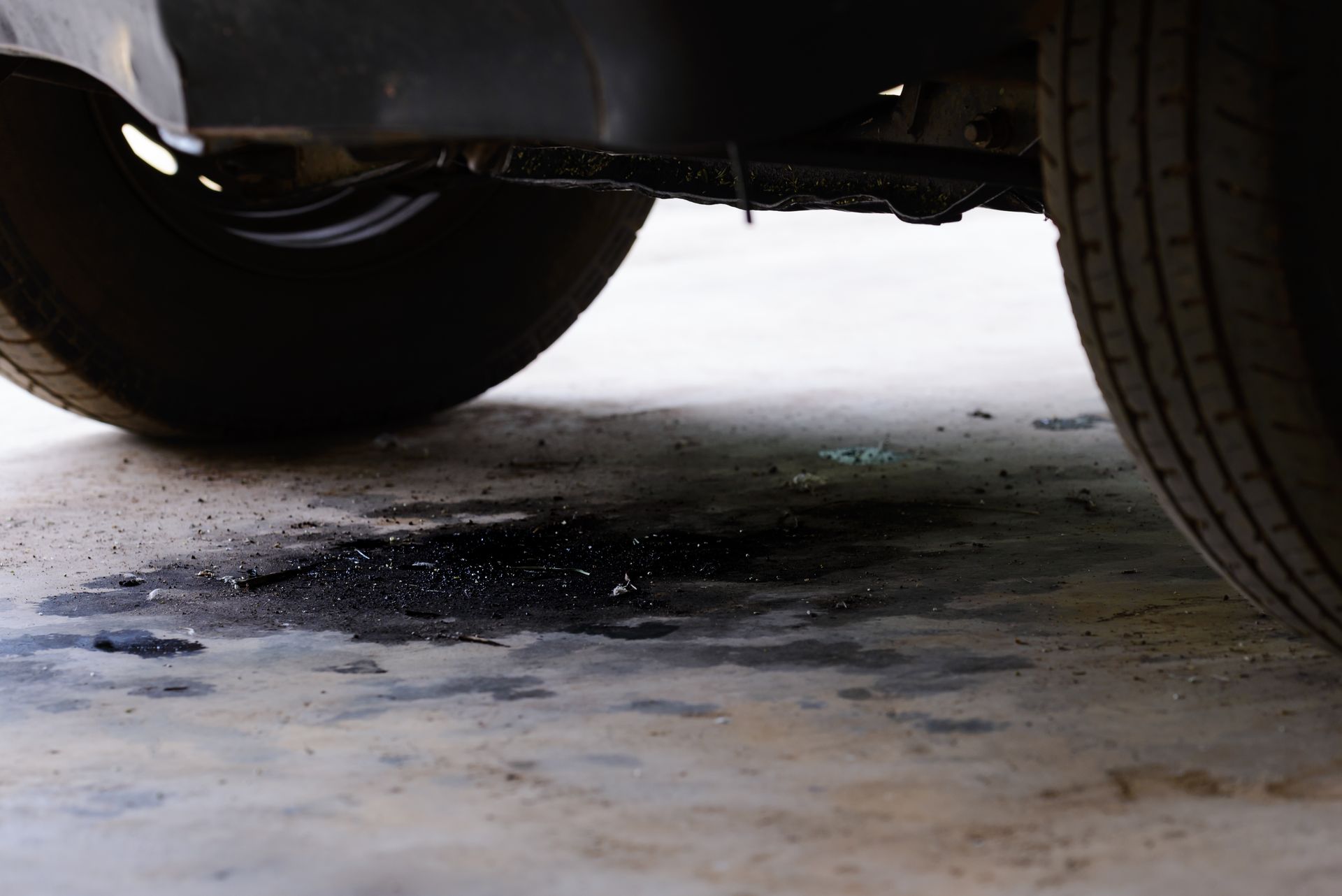
Over time, that movement can create small leaks at O-rings, hose crimps, service ports, compressor seals, or fittings. A leak may start tiny, but even a small refrigerant loss can reduce cooling performance.
Refrigerant is not supposed to disappear during normal operation. If the system is low, the cause should be found rather than treating a recharge as the whole repair.
The Condenser Takes Road Abuse
The condenser sits near the front of the vehicle so air can pass through it and remove heat from the refrigerant. That location helps the A/C work, but it also puts the condenser in a rough spot.
Bugs, leaves, dirt, rocks, road salt, and debris can block or damage the condenser. Bent fins can reduce airflow. A small puncture can create a refrigerant leak. A blocked condenser can make the system run at higher pressure and cool poorly.
A home A/C condenser can get dirty too, but it is not taking in road debris at highway speed. Vehicle condensers should be checked closely when cooling weakens, especially if the A/C works better while driving than at idle.
Cooling Fans Matter More In Traffic
When your car is moving, air naturally flows across the condenser. When the car is stopped, the cooling fans have to do that work. If a fan is weak, not turning on, or running at the wrong speed, the A/C may blow cool on the highway and warm at stoplights.
That symptom is common in traffic and parking lots. The driver may think the refrigerant is low, but the real issue may be poor airflow across the condenser.
Fan relays, wiring, sensors, modules, and fan motors can all affect A/C performance. A professional inspection should check these supporting parts before calling the system repaired.
The Cabin Heats Up Fast
A vehicle cabin is small, full of glass, and often parked in direct sunlight. Seats, dashboard panels, steering wheels, carpets, and trim can soak up heat quickly. When you first start the A/C, it is not only cooling the air. It is also fighting all the heat stored inside the cabin materials.
A home has insulation, larger vents, and a system designed to gradually cool a fixed space. A car A/C is expected to cool a hot cabin quickly while the engine is running and the vehicle is changing speed.
If the system is already weak, that first few minutes after startup makes the problem obvious. The vents may blow cool air, but not cold enough to bring the cabin down to a comfortable temperature.
Airflow Can Make A Good System Feel Weak
A car A/C system can have enough refrigerant and still feel poor if airflow is restricted. A clogged cabin air filter, weak blower motor, blocked evaporator, failing resistor, or blend door issue can keep cold air from reaching the cabin properly.
Drivers often turn the fan higher and assume the A/C needs a recharge. Sometimes, the better first step is checking how much air is actually moving through the vents.
Small A/C Problems Can Grow Quickly
A low refrigerant charge can reduce cooling performance and affect oil circulation throughout the system. Since the compressor depends on refrigerant and oil flow, running the A/C low for too long can lead to compressor wear or failure.
A weak fan can raise pressure. A dirty condenser can reduce heat transfer. A clogged cabin filter can make cooling feel worse. One small issue can make another part work harder.
That is why car A/C problems should be checked early. Waiting until the vents blow warm can turn a simple service into a more expensive repair.
Get Car A/C Service In College Park, MD, With Lains Auto Services
If your vehicle's A/C cools slowly, blows warm air in traffic, makes noise, or needs refrigerant again, Lains Auto Services in College Park, MD, can check the system and determine what needs attention.
Schedule a visit and get the A/C inspected before hot weather makes every weak spot harder to ignore.