A high-mileage used car can still be a dependable purchase when it has received consistent care. Mileage alone does not reveal how the vehicle was driven, whether services were completed on time, or how many repairs may be approaching.
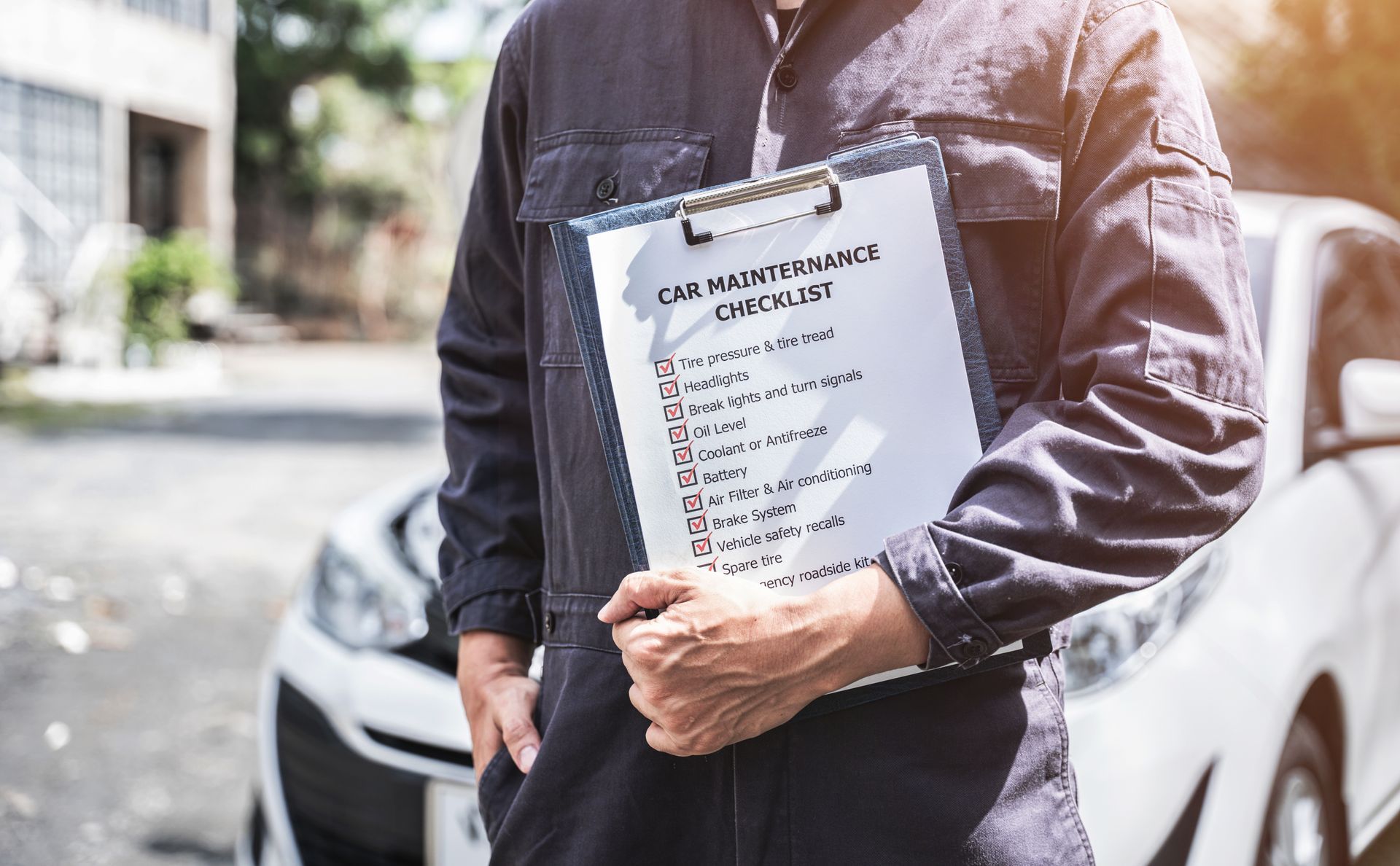
A careful evaluation can help separate normal age-related wear from signs of neglect. Before handing over your money, check these ten areas and arrange a professional inspection so you understand the vehicle’s current condition and likely future needs.
1. Review The Maintenance Records
Service records can tell you more than the number on the odometer. Look for evidence of oil changes, coolant service, spark plug replacement, transmission care, brake work, and timing belt service when the engine uses one.
Receipts also reveal whether the same problem has been repaired repeatedly. Long gaps in the records do not always prove neglect, but they leave important questions about how the engine and drivetrain were protected.
2. Confirm The Warning Lights Work
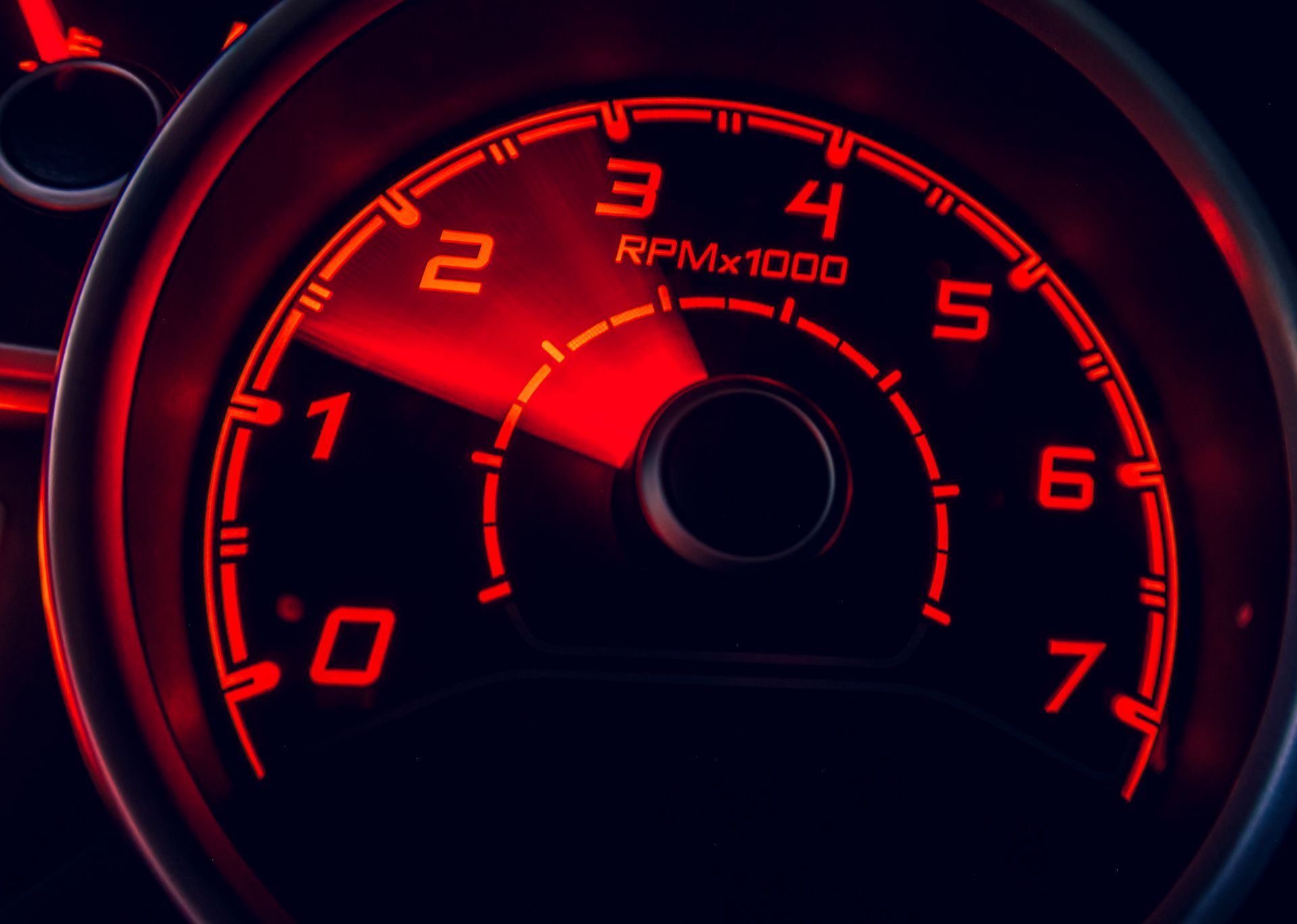
Turn the ignition on before starting the engine. The check engine, oil pressure, battery, ABS, airbag, and other warning lights should illuminate briefly as part of the system check. After startup, they should turn off unless an active fault is present.
A warning light that never appears may have a failed bulb or could have been intentionally disabled. Scan the vehicle’s computers even when the dashboard is clear because pending and history codes may reveal intermittent problems.
3. Inspect The Engine Oil And Coolant
Check the engine oil level on a flat surface. Very low oil may indicate leakage, internal consumption, or poor maintenance habits. Heavy sludge, metallic particles, foam, or a strong fuel smell deserves further testing.
Inspect the coolant reservoir only when the engine is cold. Low coolant, oily contamination, dried residue, or mismatched fluid can point toward leaks or previous cooling-system trouble. Never open a pressurized cooling system while the engine is hot.
4. Look For Fluid Leaks
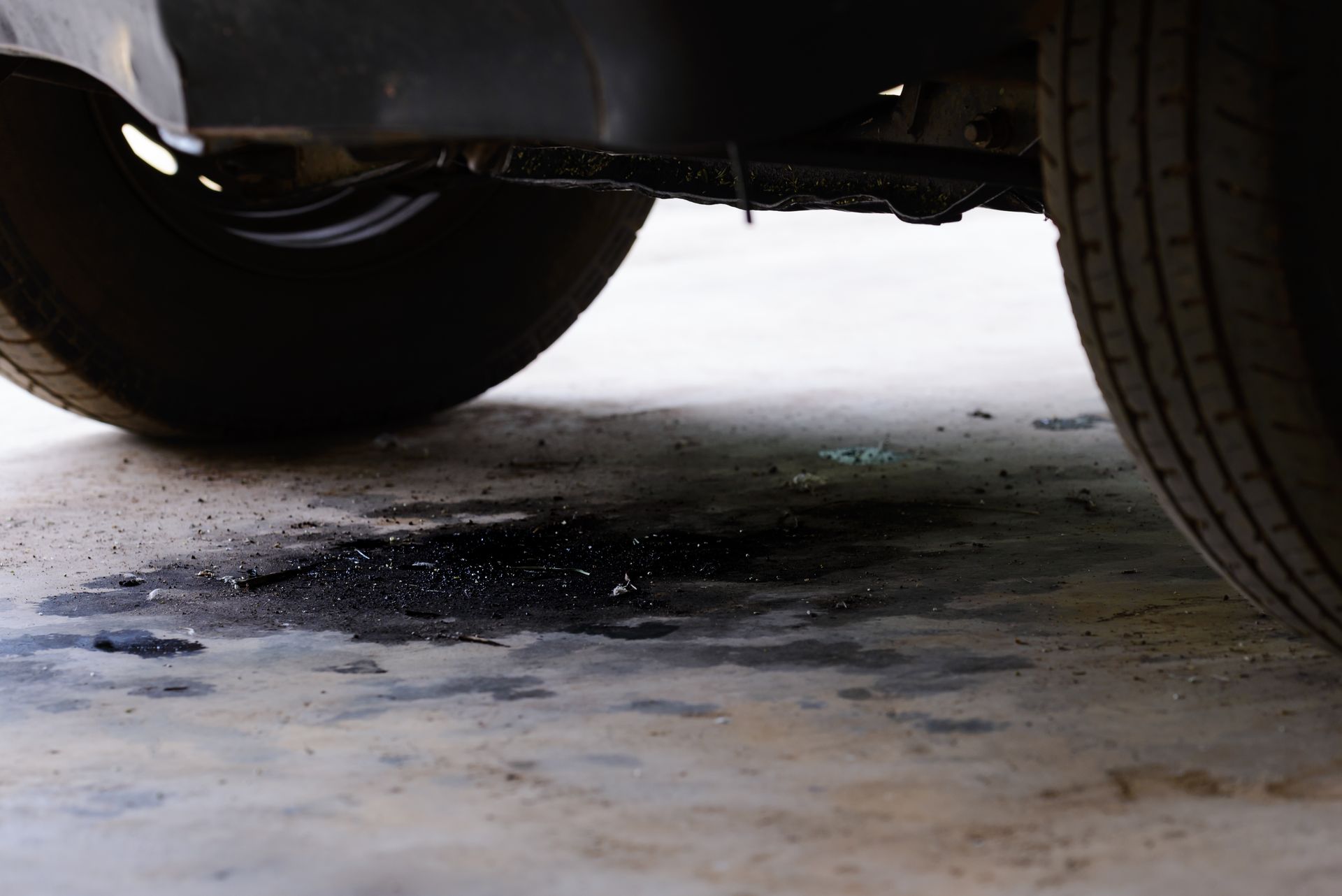
Examine the ground and underside for engine oil, coolant, transmission fluid, brake fluid, and gear oil. A small seep may be repairable, but several active leaks can add up to high costs soon after purchase.
Check around valve covers, oil pans, water pumps, radiator connections, axle seals, transmission cooler lines, and differentials. Fluid can spread across shields and crossmembers, so the lowest wet area may not be the original source.
5. Listen During A Cold Start
Ask the seller not to warm the vehicle before you arrive. Cold starts can expose timing chain rattles, belt squeals, exhaust leaks, extended cranking, smoke, and rough idle that may become less noticeable after the engine heats up.
Watch the exhaust while the engine starts. Persistent blue smoke may indicate oil burning, heavy white smoke can point toward coolant entering the engine, and black smoke may involve excessive fuel. A brief vapor cloud on a cool morning can be normal.
6. Test The Engine And Transmission
During the test drive, the engine should accelerate without hesitation, heavy vibration, surging, or unusual knocking. Include city speeds, highway driving, and a hill when possible so the engine can be evaluated under different loads.
The transmission should enter drive and reverse without a long delay or severe clunk. Watch for slipping, harsh shifts, shuddering, or engine RPM rising without a matching increase in speed. These symptoms can lead to expensive drivetrain repairs.
7. Check The Brakes And Suspension
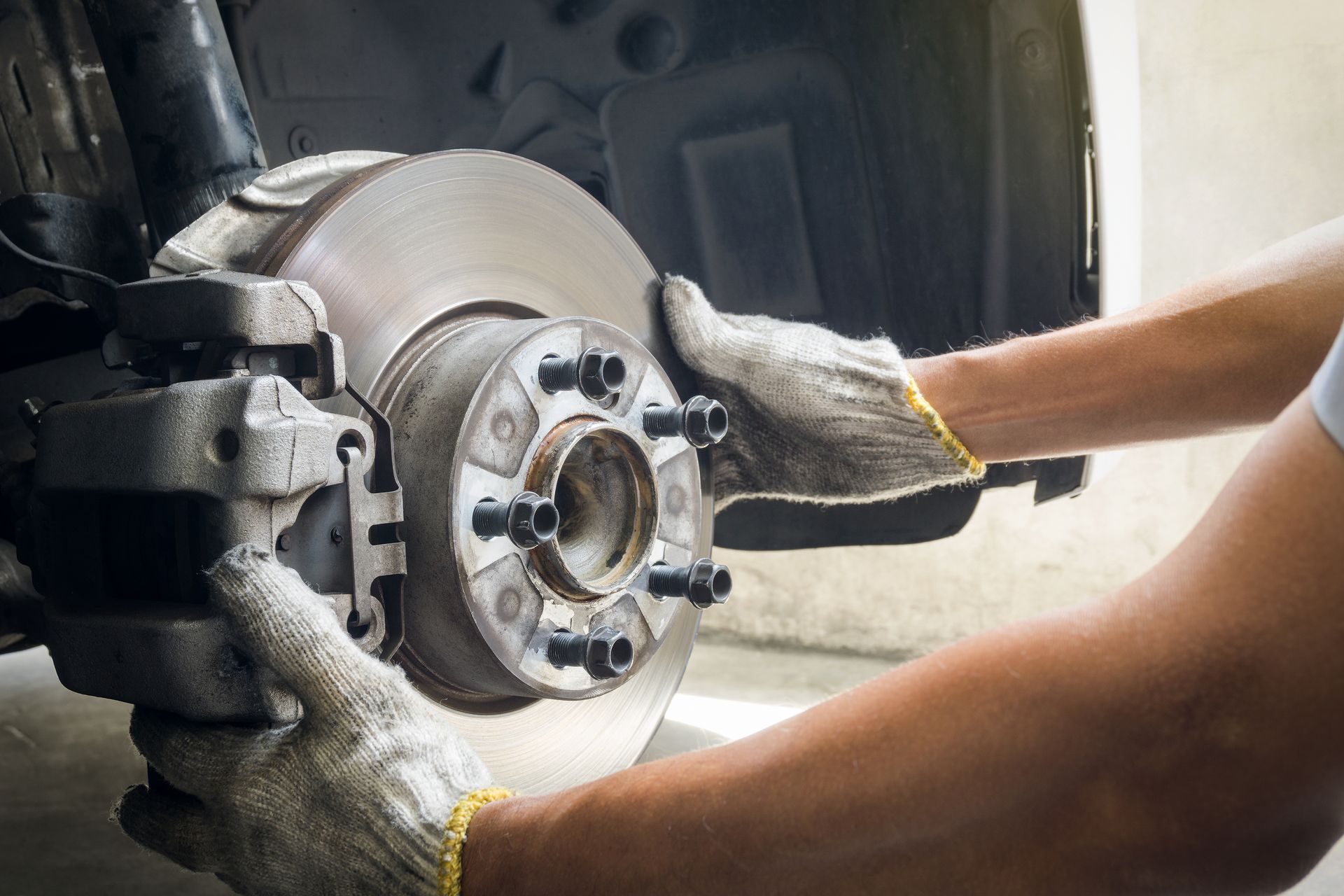
Apply the brakes at several speeds. The pedal should feel firm, and the vehicle should stop without pulling, grinding, or shaking. A soft pedal, burning smell, or one hot wheel may indicate hydraulic trouble or a dragging caliper.
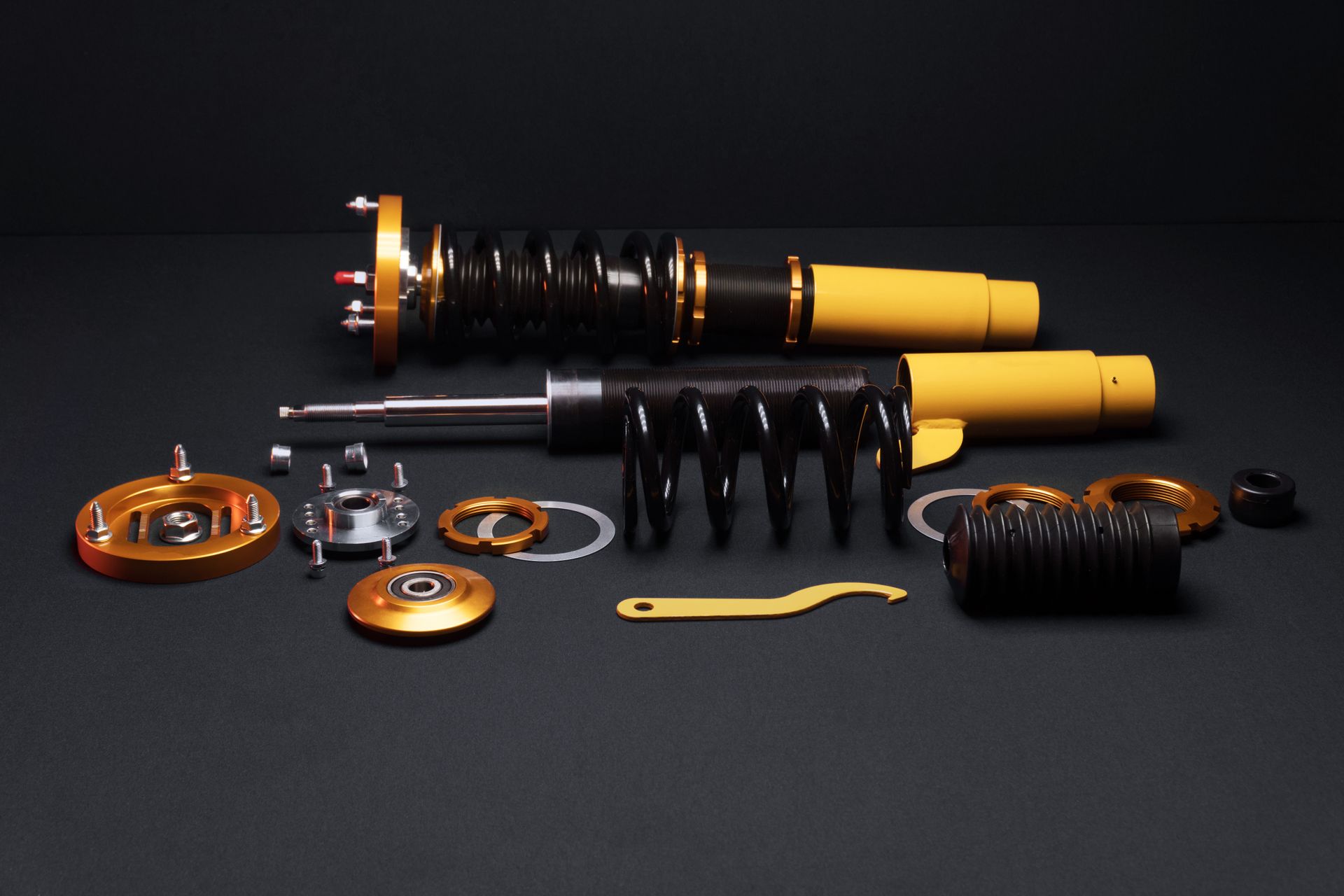
Drive over uneven pavement and listen for clunks or rattles. Excessive bouncing, heavy body lean, uneven ride height, or loose steering can involve shocks, struts, bushings, ball joints, wheel bearings, or other suspension parts.
8. Examine The Tires Carefully
Tires provide useful evidence about the vehicle’s condition. Uneven inner-edge wear may point toward alignment or suspension concerns. Cupping can result from weak shocks, wheel imbalance, or loose components.
Check tread depth, pressure, age, sidewall cracking, bulges, and whether all four tires match in size. A mismatched set can affect handling and may place additional strain on all-wheel-drive systems.
9. Inspect The Body And Underside
Look for uneven body gaps, mismatched paint, overspray, wrinkled metal, or fresh undercoating. These signs may indicate collision repairs, rust treatment, or an attempt to cover damage.
Inspect the frame, subframes, brake lines, fuel lines, suspension mounting points, and floor underneath. Surface corrosion may be expected on an older car, but heavy scaling, holes, or structural rust can make the vehicle unsafe or too expensive to repair.
10. Test Every Electrical Feature
Operate the windows, locks, mirrors, seats, exterior lights, wipers, screens, cameras, and charging ports. Electrical repairs can become costly when they involve wiring, water intrusion, or control modules rather than a simple switch.
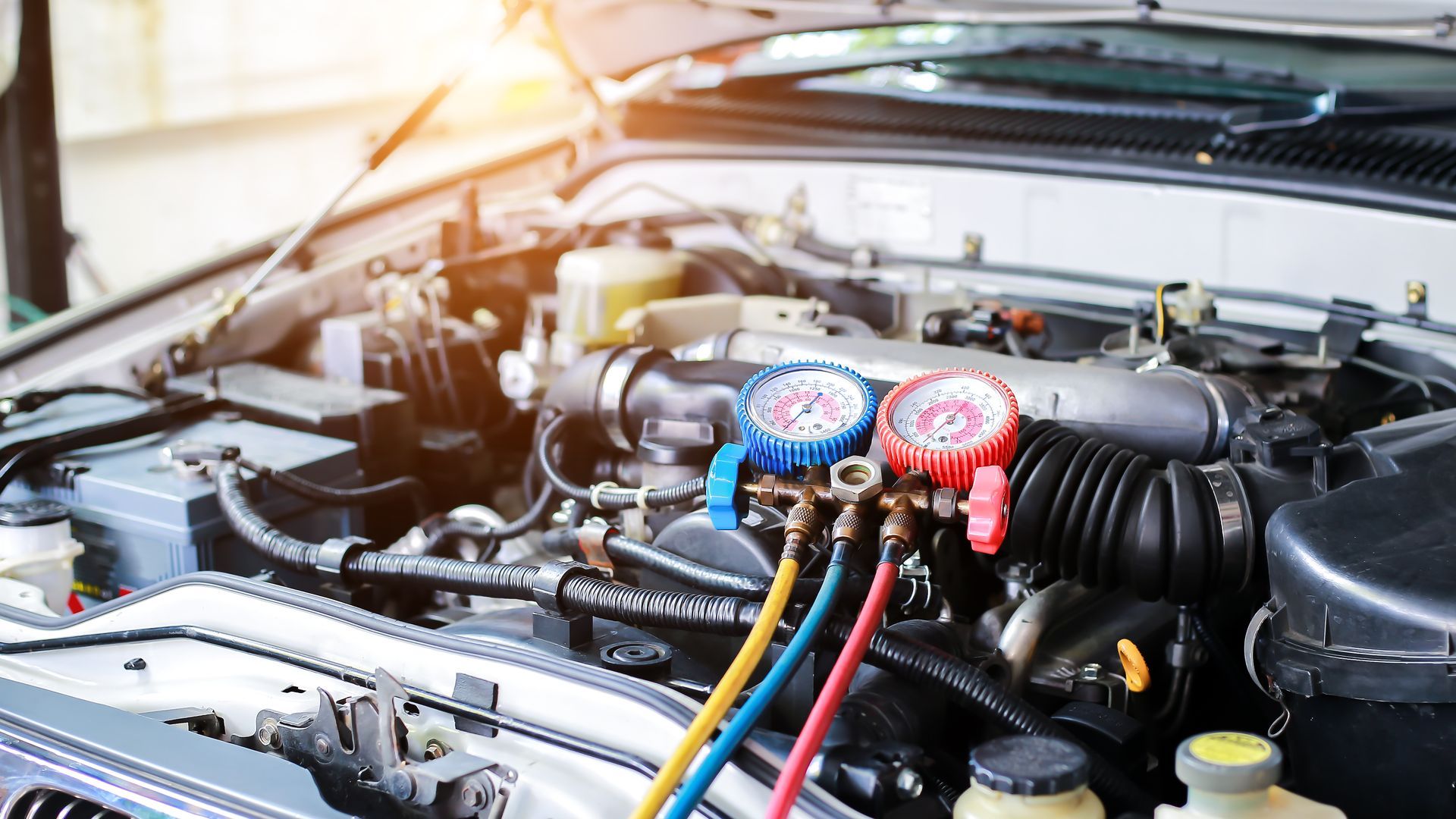
Run the heater and A/C long enough to confirm their operation. Check that the cooling fans cycle correctly and that the engine temperature remains stable. Weak A/C, electrical warnings, or overheating during the test drive should be evaluated before purchase.
Arrange A Professional Pre-Purchase Inspection
A short test drive cannot reveal every concern. A technician can lift the vehicle, scan its control modules, inspect for leaks and looseness, measure brake and tire wear, and look for signs of previous overheating or collision damage.
The goal is not to find a high-mileage car with no wear. It is to understand which repairs are needed now, which can be planned later, and whether the asking price reflects the vehicle’s true condition.
Get A High-Mileage Used Car Inspection In College Park, MD, With Lains Auto Services
Before buying a high-mileage vehicle, Lains Auto Services in College Park, MD, can evaluate the engine, transmission, brakes, suspension, tires, fluids, electronics, and underbody.