Key Takeaways
- Ford F-150 maintenance should reflect the truck’s engine, drivetrain, service history, and workload, not mileage alone.
- Towing, heavy loads, extended idling, and dusty driving may require additional checks or different service intervals under Ford’s maintenance guidance.
- High-mileage inspections should address fluid services, cooling components, brakes, and suspension wear. New symptoms need diagnosis beyond routine maintenance.
An F-150 that has spent 100,000 miles carrying tools and towing a trailer has a different history from one used mainly for an unloaded highway commute. The mileage is the same. The work behind it isn't.
As the truck gets older, maintenance needs a closer connection to its engine, drivetrain, service records, and current condition. The factory schedule remains the starting point, with extra checks focused on parts that are now showing wear.
Identify the F-150 Engine Before Planning Service
The F-150 name covers several generations and very different engines. A 2.7L or 3.5L EcoBoost has turbochargers and a charge-air path to inspect. A 5.0L V8 has its own service requirements. A PowerBoost adds hybrid equipment, while older diesel-equipped trucks need diesel-specific maintenance.
That changes spark-plug requirements, oil specifications, belt arrangements, and where a technician checks for leaks. Avoid buying a generic high-mileage tune-up based only on the badge. The VIN, engine identification, and previous invoices help determine which services are due and which are already complete.
Oil Service Should Reflect Towing, Idling, and Short Trips
Ford's oil-life guidance and the owner's manual account for how the engine is used. Frequent towing, heavy loads, dusty driving, extended idling, and repeated short trips may require maintenance under special operating conditions. Low annual mileage doesn't erase the time the engine spends running at a job site.
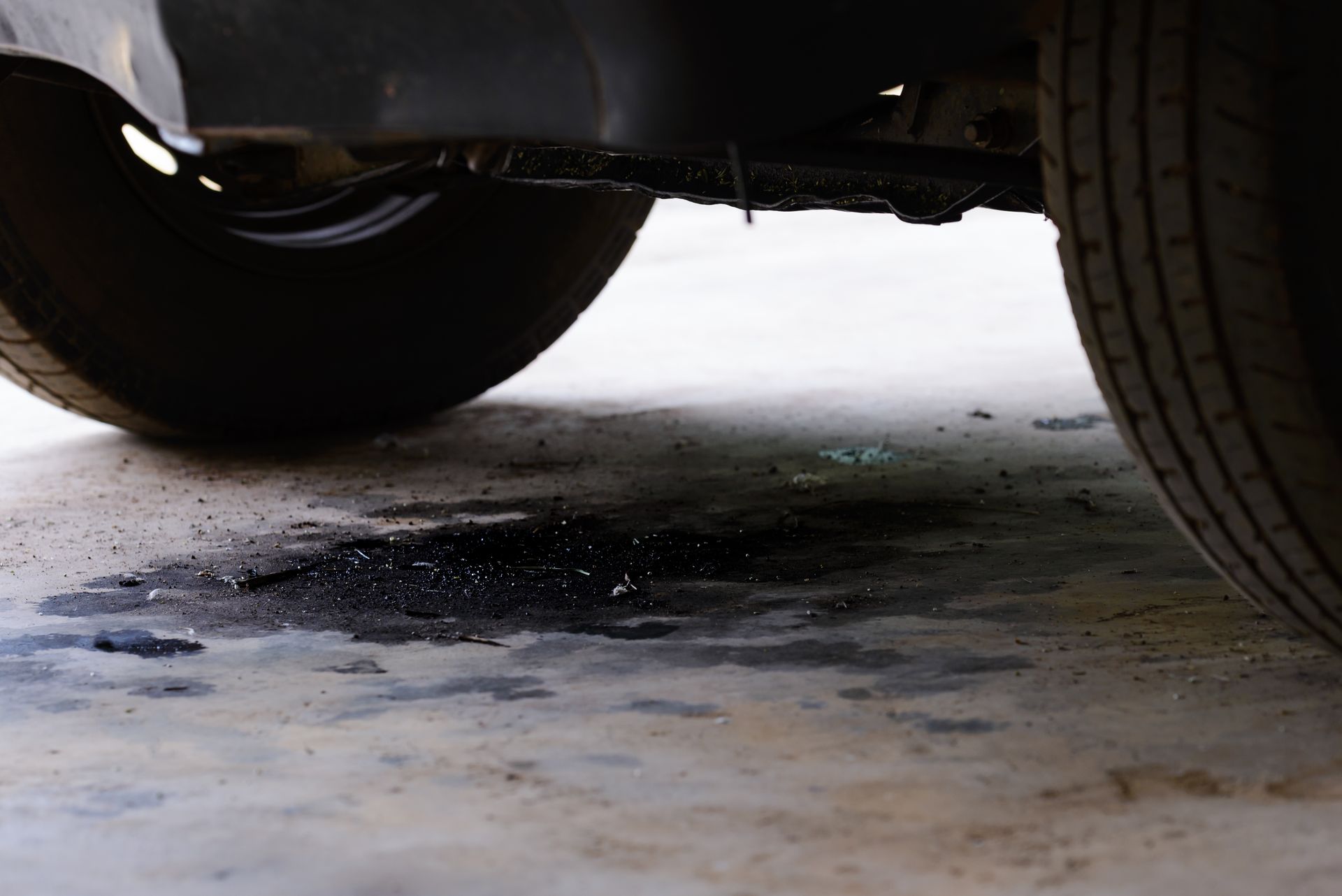
An older engine also needs level checks between services. A leak or rising oil consumption can lower the amount available before the next change is due. Record the mileage and quantity when topping off, and use the specified oil. Switching to a thicker product simply because the odometer is high may conflict with the engine's requirements.
Transmission and Four-Wheel-Drive Fluids Need Their Own Schedule
The transmission, transfer case, and differentials perform different jobs and don't necessarily share one fluid interval. Equipment varies by year and drivetrain. A 2WD truck doesn't need transfer-case service, and different axle arrangements may require different products or procedures.
Towing history is especially relevant when reviewing transmission service. Delayed engagement, slipping, harsh shifts, or a new vibration needs testing alongside the maintenance history. Include fluid replacement in the plan when due, but it won't fix worn internal clutches or a failed electrical control. The estimate should distinguish scheduled service from a repair for an existing complaint.
Cooling Parts Age Even When the Truck Stays Below the Mileage Limit
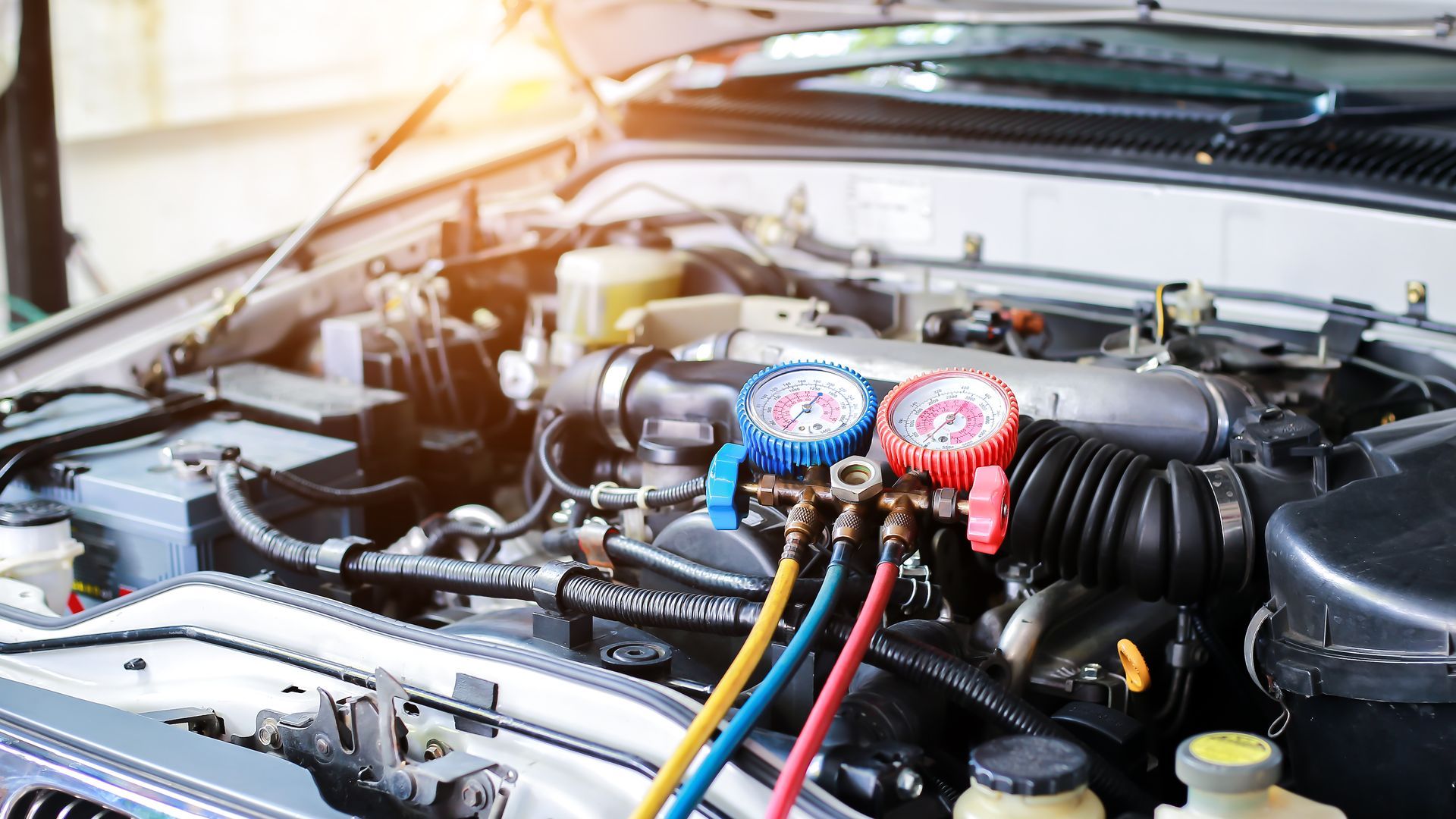
Hoses, reservoir connections, radiator seams, and water-pump seals endure years of heat cycles. Coolant replacement follows the truck's time and mileage requirements. Repeated top-offs mean a leak needs to be found, not just another bottle added before a towing trip.
An EcoBoost truck also has air and cooling arrangements that differ from the naturally aspirated V8. Inspecting the exact equipment prevents a broad cooling-service label from overlooking a damaged charge-air hose or another engine-specific connection. A temperature warning requires a safe stop and shutdown rather than driving farther to see whether it settles.
F-150 Suspension and Steering Wear Changes the Driving Feel
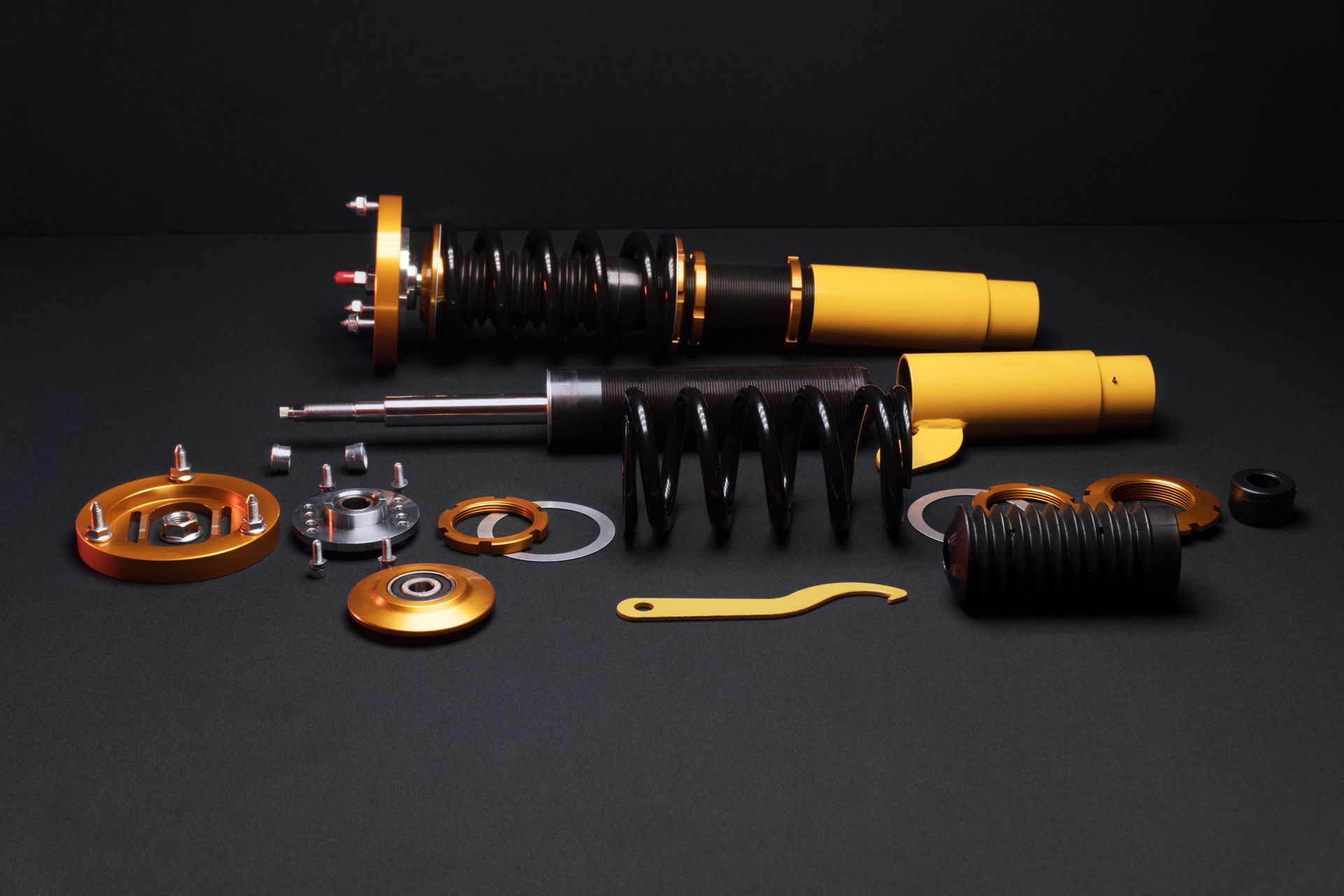
Heavy loads, rough roads, and trailer use put repeated forces through the tires, joints, bushings, and dampers. A clunk over bumps, extra steering correction, or uneven tread needs more than a wheel alignment appointment. The wheels have to remain securely located before their angles can be set.
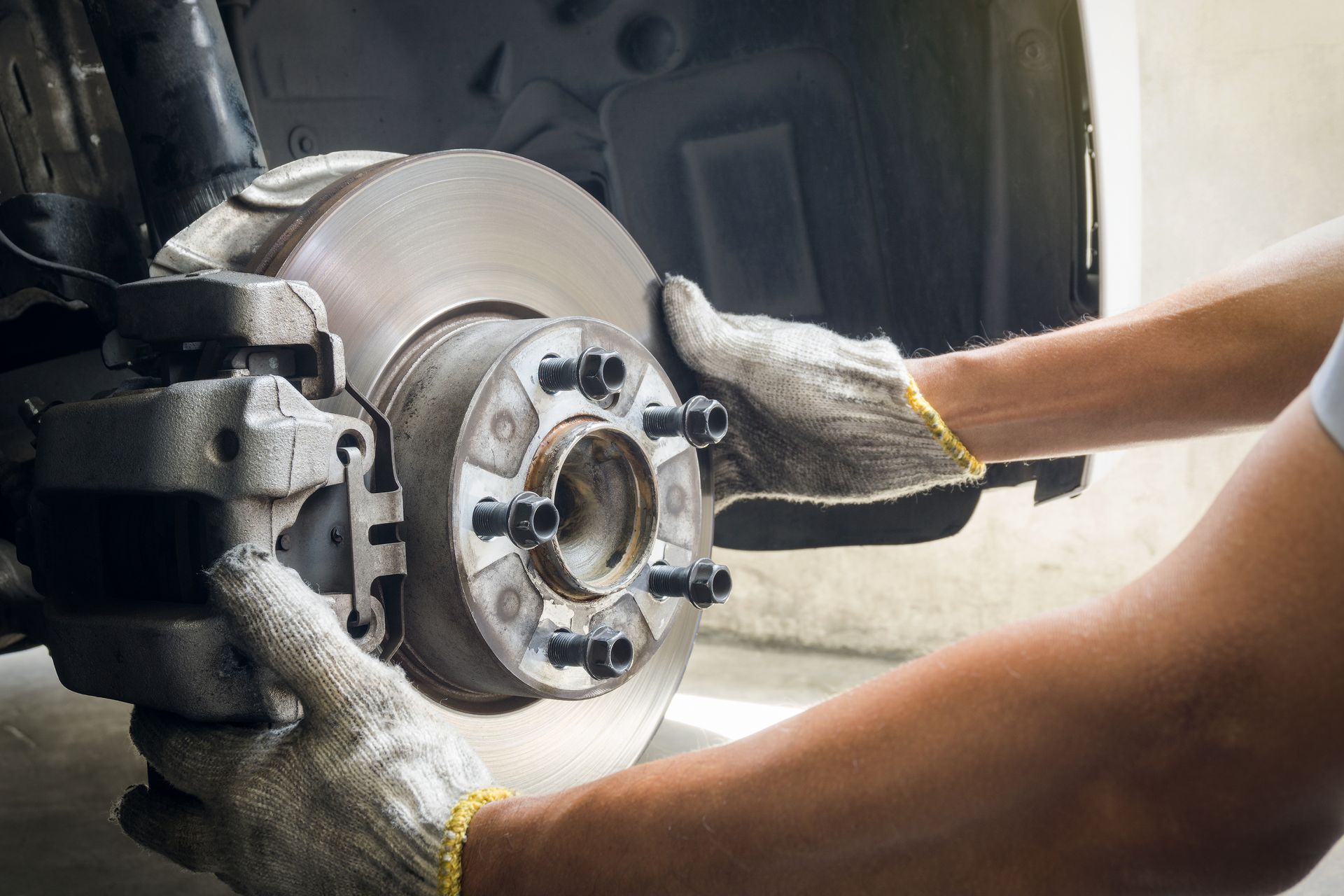
Brake inspection should include the inner pads and how the calipers release. One pad sometimes wears faster while the visible outer pad still looks reasonable. If the truck has started pulling under braking or one wheel smells hot, describe that before routine maintenance begins. The complaint changes the checks needed.
Use Service Records to Plan the Next 50,000 Miles
A high-mileage review should identify what is due soon, what is already worn, and what remains serviceable. Battery and cable condition, belts, leaks, tire age, exhaust supports, and underbody corrosion all contribute to that plan. New spark plugs won't help a damaged battery cable or a tire nearing structural failure.
Keep dates and mileage for major fluid services, plugs, belt work, and repairs. If the truck's role has changed, say so. A recently purchased camper or a new daily towing route may justify a different maintenance review even though the F-150 has been running the same errands for years.
Get Ford F-150 Maintenance in College Park, MD, With Lains Auto Services
Lains Auto Services in College Park, MD, can review your F-150's maintenance history, towing use, and signs of wear. Bring previous invoices and describe any changes in shifting, starting, braking, or oil use.
Contact us to schedule Ford F-150 maintenance and an inspection based on how your truck is used.